Français
  English
 COST OF LIVING – GENEVA AND VAUD ARE OFFING POOR VALUE
Credit Suisse has published a study on the cost of living in Switzerland. Appenzell Innerrhoden comes out on top, whilst several French-speaking cantons are at the bottom of the table.
Geneva is the most expensive canton in Switzerland… In fact, it’s the most expensive place in the world, yet again…
Are we surprised? No, of course not, because for several years now no other country in the world has been able to compete with Switzerland in terms of the cost of living.
Now, what is the point of living in the most expensive city in the world? Or, more simply, what is the point of city life for those who do not depend on living there to earn a living?
Is the quality of life so fantastic that it’s worth the price? And the constraints?
Of course, it’s all a matter of perspective or personal financial interests; certainly, for the new bourgeois caste of civil servants, hipsters and urbanites, Geneva is very attractive, with guaranteed high salaries, dedicated apartments at moderate rents, lavish benefits, and so on… Just as advantageous as it is for senior international civil servants… Let’s not even mention elected officials, who enjoy a sort of ‘monarchical’ privilege of immunity from accountability for all their actions, protection from dismissal, and a lifetime pension after just a few years in office.
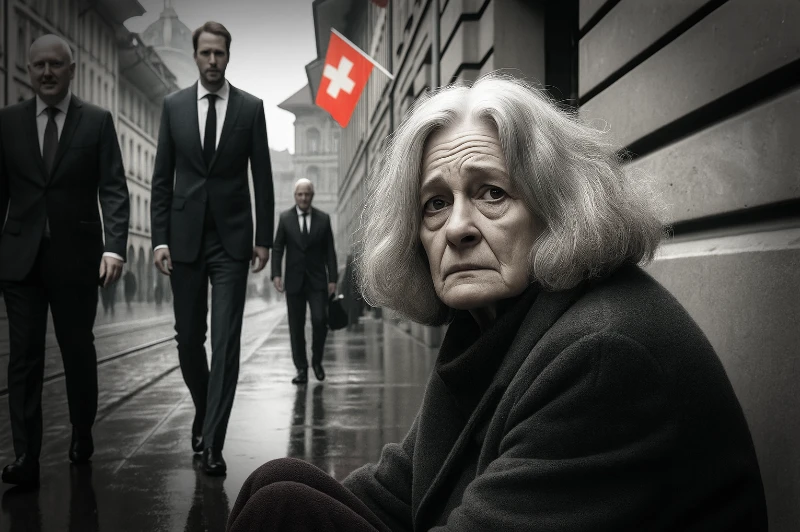
On the other hand, for workers from the former middle class, now the ‘working poor’—those who will work very hard all their lives only to never own anything, and who, once retired, will find themselves wasting away in extreme precariousness, surviving on social benefits just to avoid starving or ending up on the streets… We are clearly in a situation of modern-day slavery.
As for urban planning or the management of motorised traffic… Here too, Geneva is on the world podium… for the worst!
Fortunately, this Covid crisis has helped everyone realise the major benefits of remote working for the many professions where it is possible.
The coming years will see a resurgence of emigration to more welcoming countries, with a pleasant climate all year round, affordable living costs, and a genuine economic future.
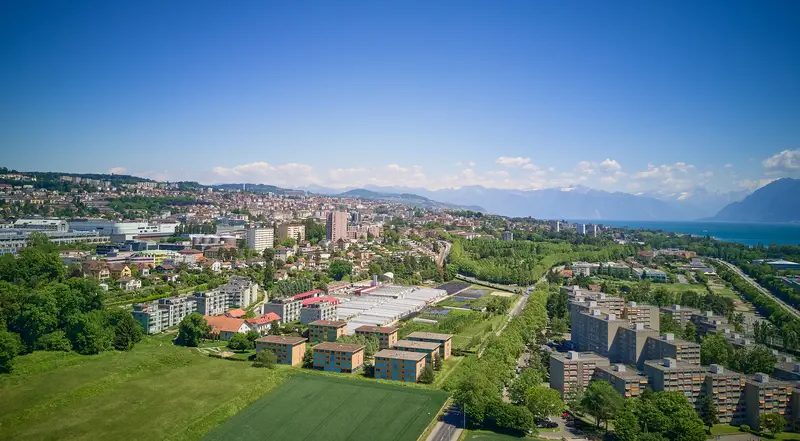
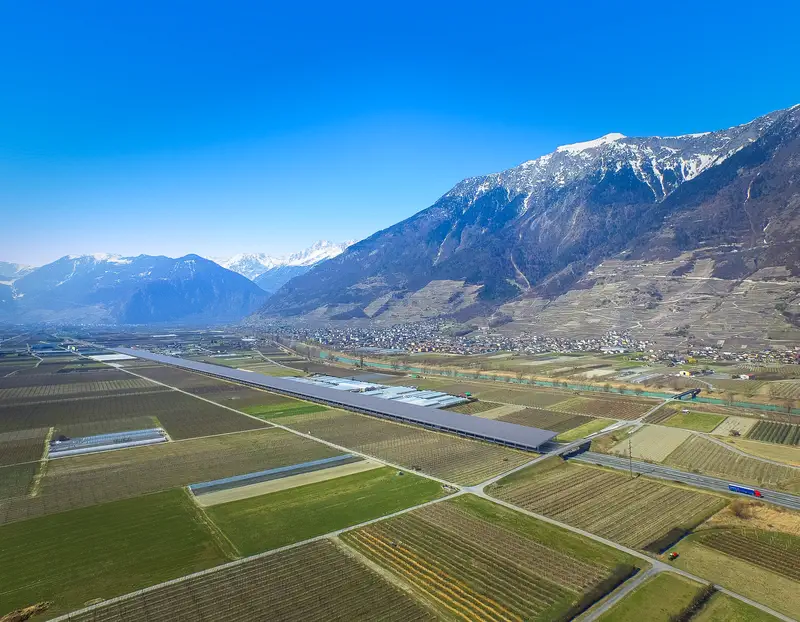
Currently, in European countries and Switzerland, we are seeing a return to the countryside, which is far more affordable in terms of rent, often insurance and taxes, not to mention the quality of life surrounded by nature, far from traffic jams, the stress of city life, the lack of parking, and so on…
We have realised that city life is anything but humane… that era is over.
Ultimately, for those who have grasped the true meaning of life and, above all, the quality of life, their future—and especially that of their children—will be bright; I am delighted about this
by Alain Farrugia
Map of Swiss cantons by cost of living
Ranking of Swiss cantons with the lowest cost of living (click on the canton of your choice to see its ranking).
In a study, Credit Suisse took a close look at the residential appeal of Swiss municipalities and cantons. It calculated the amount remaining to a household after deducting compulsory expenditure (taxes, health insurance and second pillar pension contributions) and fixed costs (incidental expenses and commuting costs).
As the study shows, there are significant differences even within the same canton. The burden of compulsory and fixed expenses can vary greatly. This means that a move resulting in an extra 30-minute commute could well be worth it.
Living in the countryside is cheaper
“It’s a question of urban versus rural,” says Jan Schüpbach, an economist at Credit Suisse. “The most expensive areas are the major centres, lakeside locations and internationally renowned tourist destinations such as the Upper Engadine, Davos and Grindelwald.” In the countryside, the financial appeal of residential living is higher, he said.
In other words, living in the countryside is cheaper, whether you are a tenant or a homeowner. Switzerland’s most attractive residential areas, located in rural zones, score twice over: taxes are low and housing costs are low.
In the ranking, the canton of Appenzell Innerrhoden is the cheapest place to live, followed by the Central Swiss cantons of Uri and Glarus. The cantons of Vaud, Basel-Stadt and Geneva fare the worst.
A method based on model households
Costs vary not only by region but also by household type. To take this into account, Credit Suisse created various model households for its study on the financial attractiveness of housing.
Different households were surveyed for each location, taking into account different types of housing such as renting or owning, family structures such as families or single people, married or single, and different incomes and assets. All these factors were incorporated into the RDI (regional disposable income) indicator.
(Janine Gloor/fro)