Français
  English
 HYPERION, THE INDIAN ECO-NEIGHBOURHOOD THAT THINKS BIG… REALLY BIG
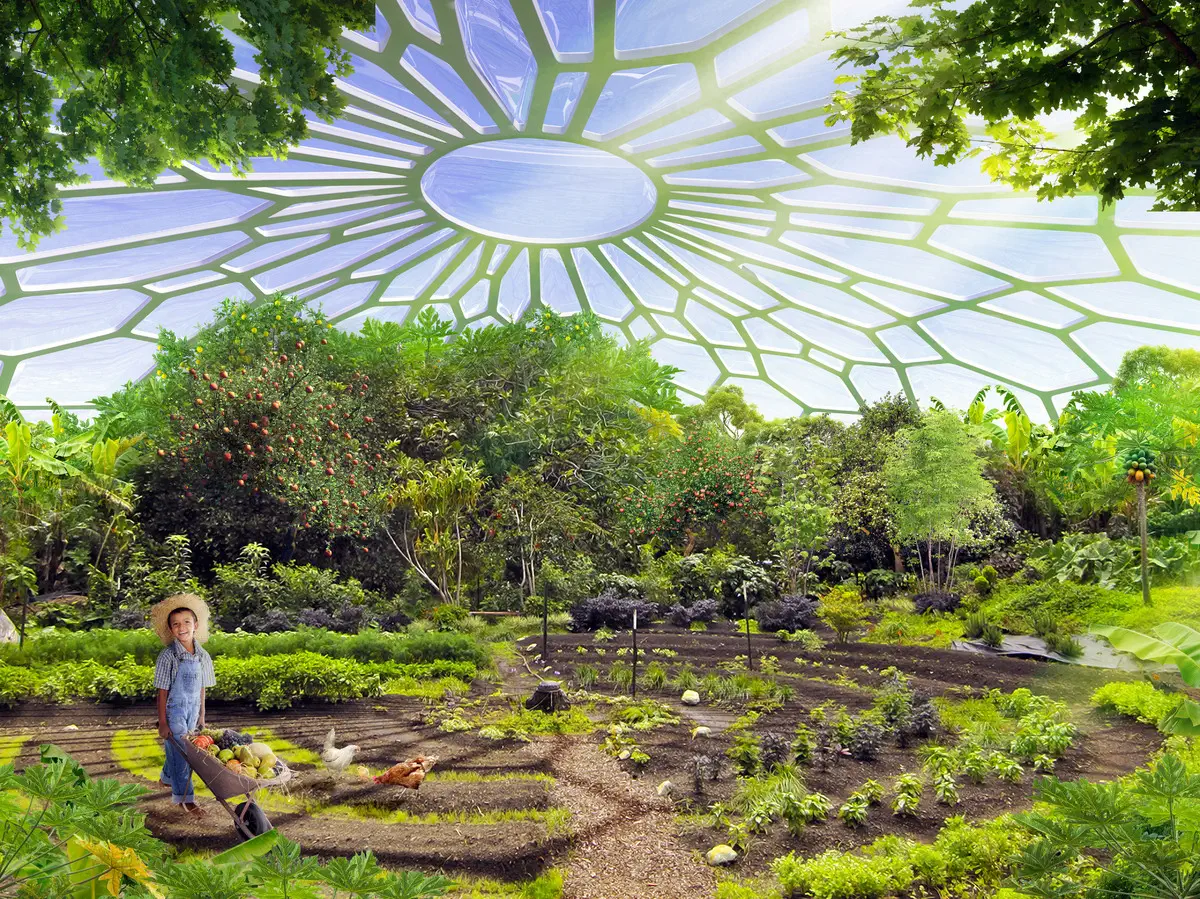
What if, in 10 years’ time, we were living in wooden towers and eating fruit and vegetables grown on our balconies? That is the idea behind Belgian architect Vincent Callebaut’s latest project, Hyperion
Tree-towers housing 1,000 homes, capable of producing fruit and vegetables on a regular basis without using a single drop of energy. This is the crazy – yet not entirely impossible – project from a Belgian architect. Let’s take a closer look. Vincent Callebaut has done it again.
Following his DNA Tower currently under construction in Taipei, his vision of a green Paris for 2050 and his plans for floating cities, the architect is now turning his attention to India.
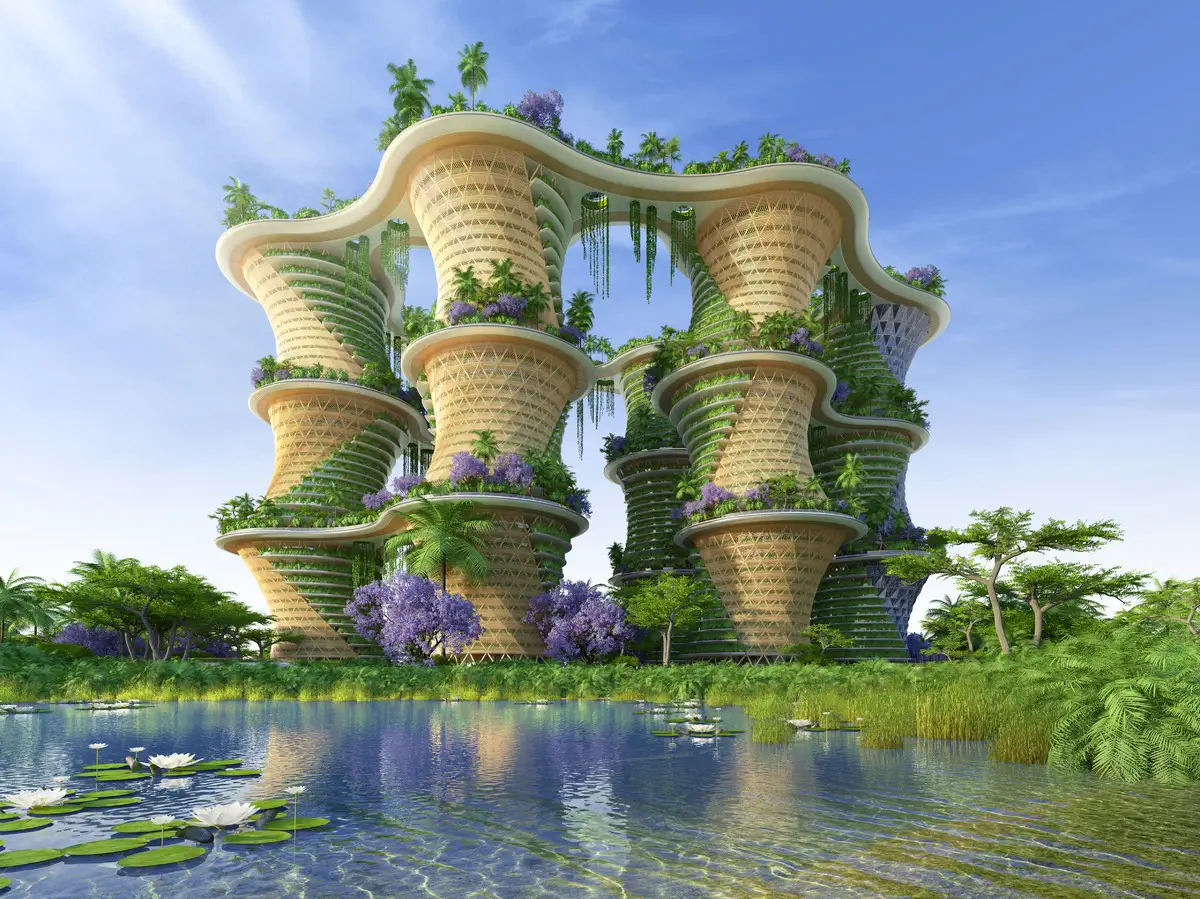
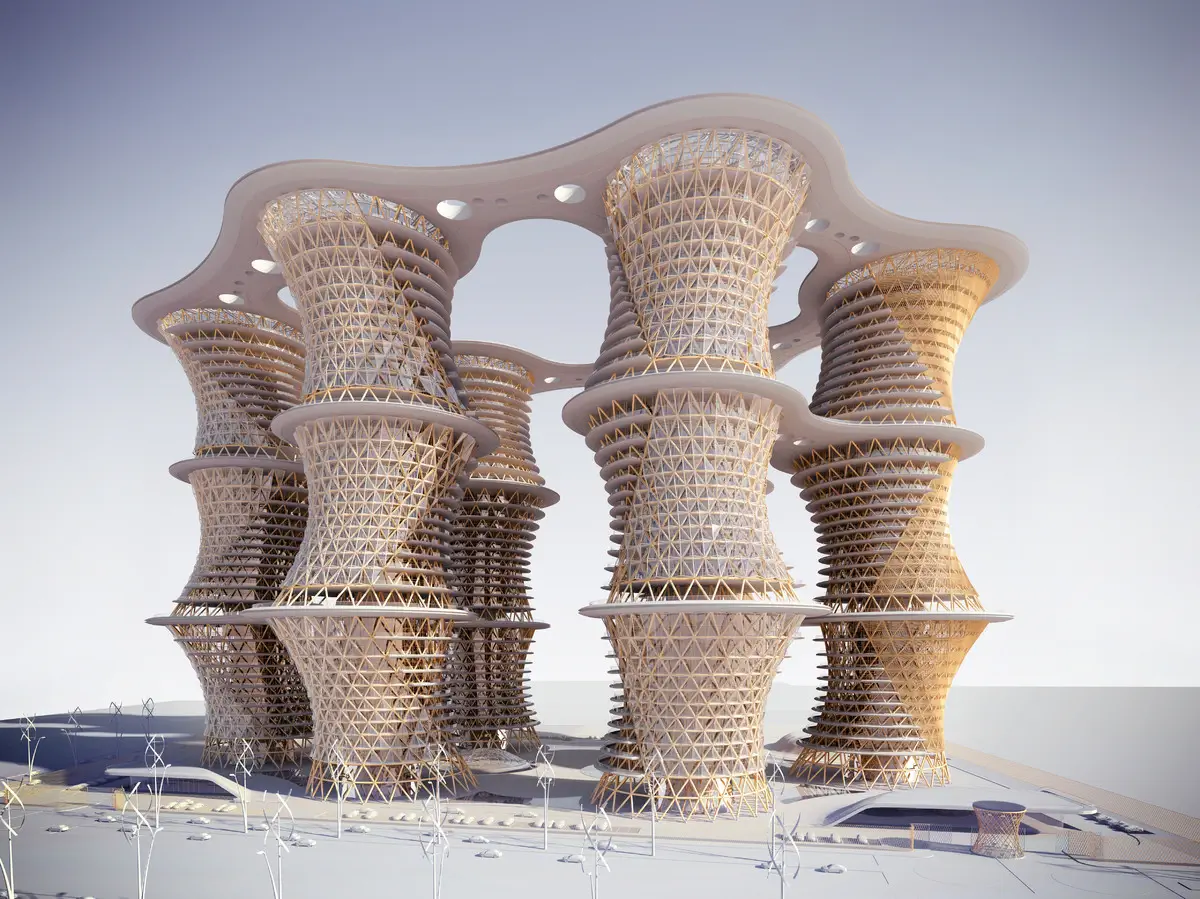
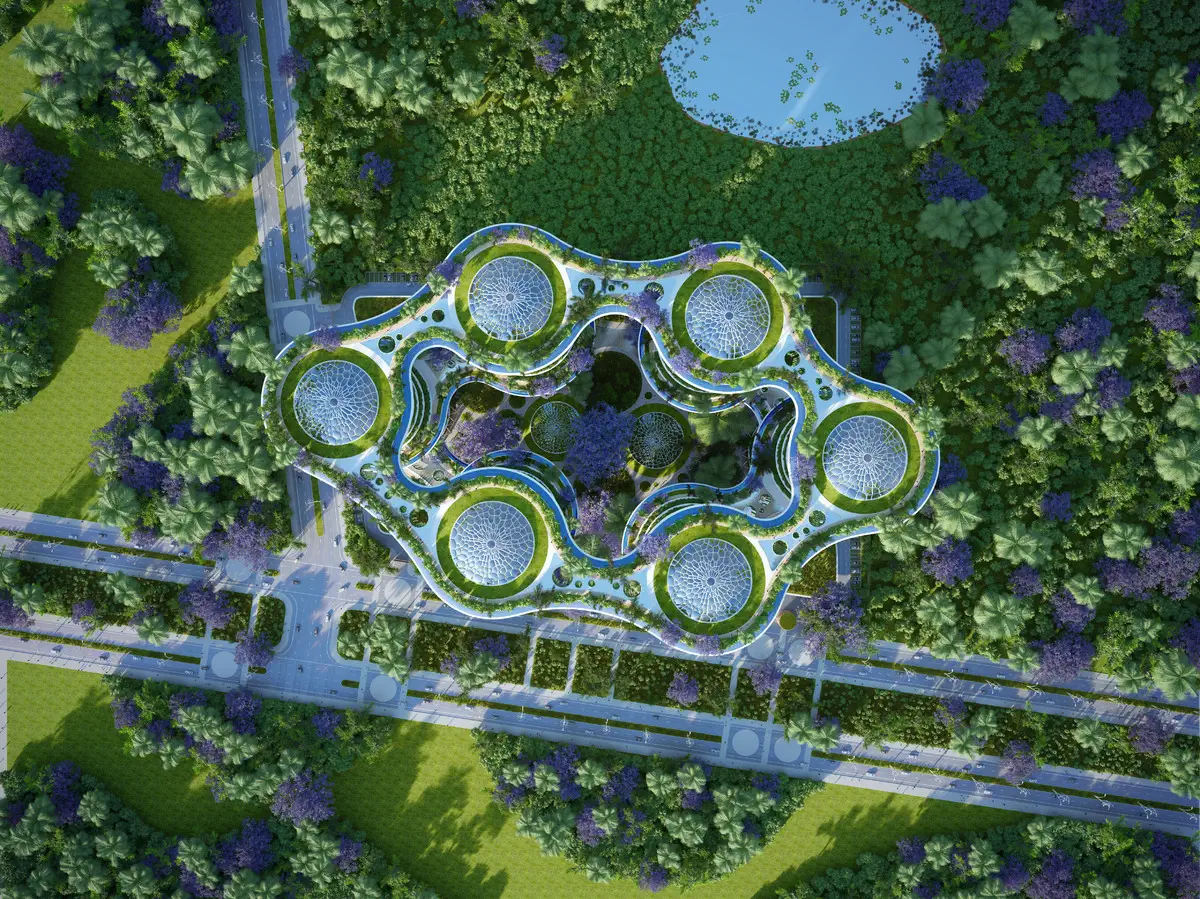
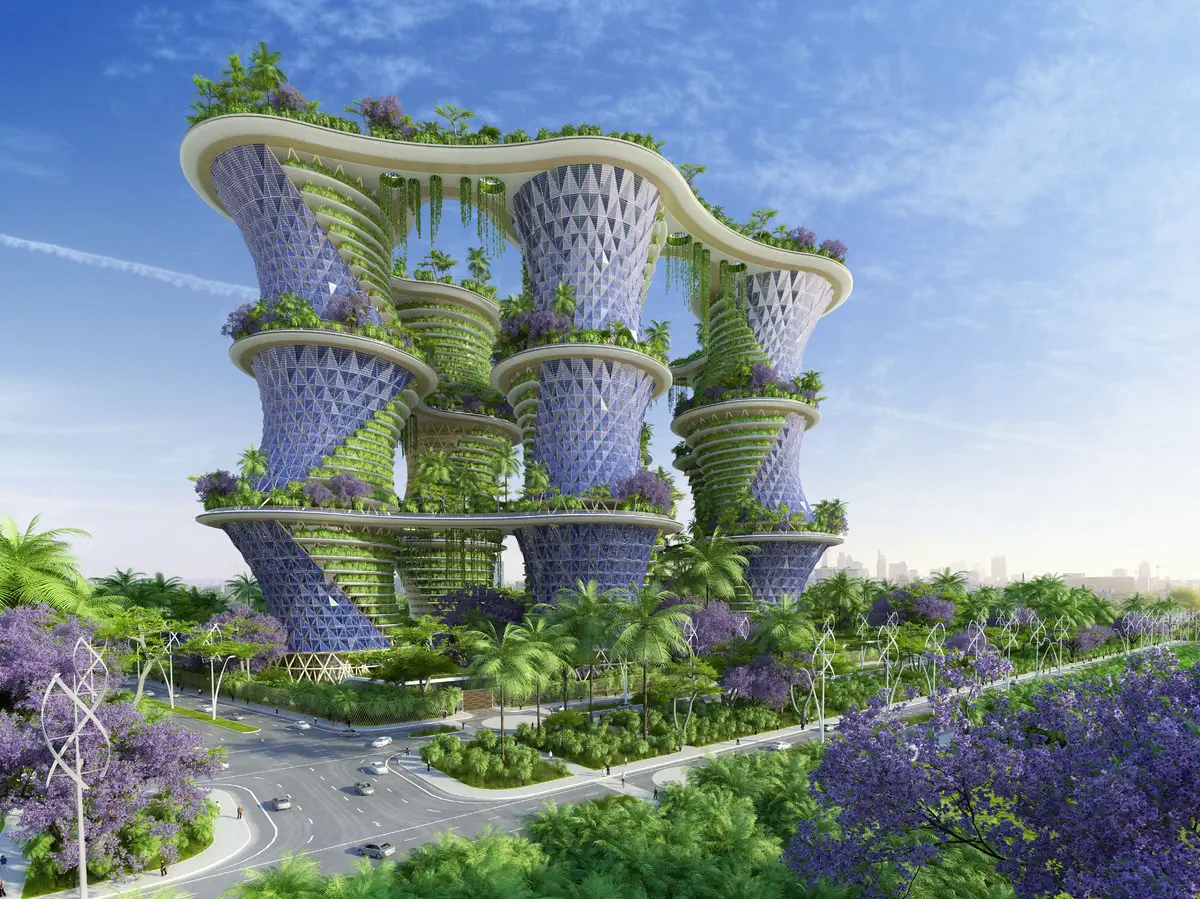
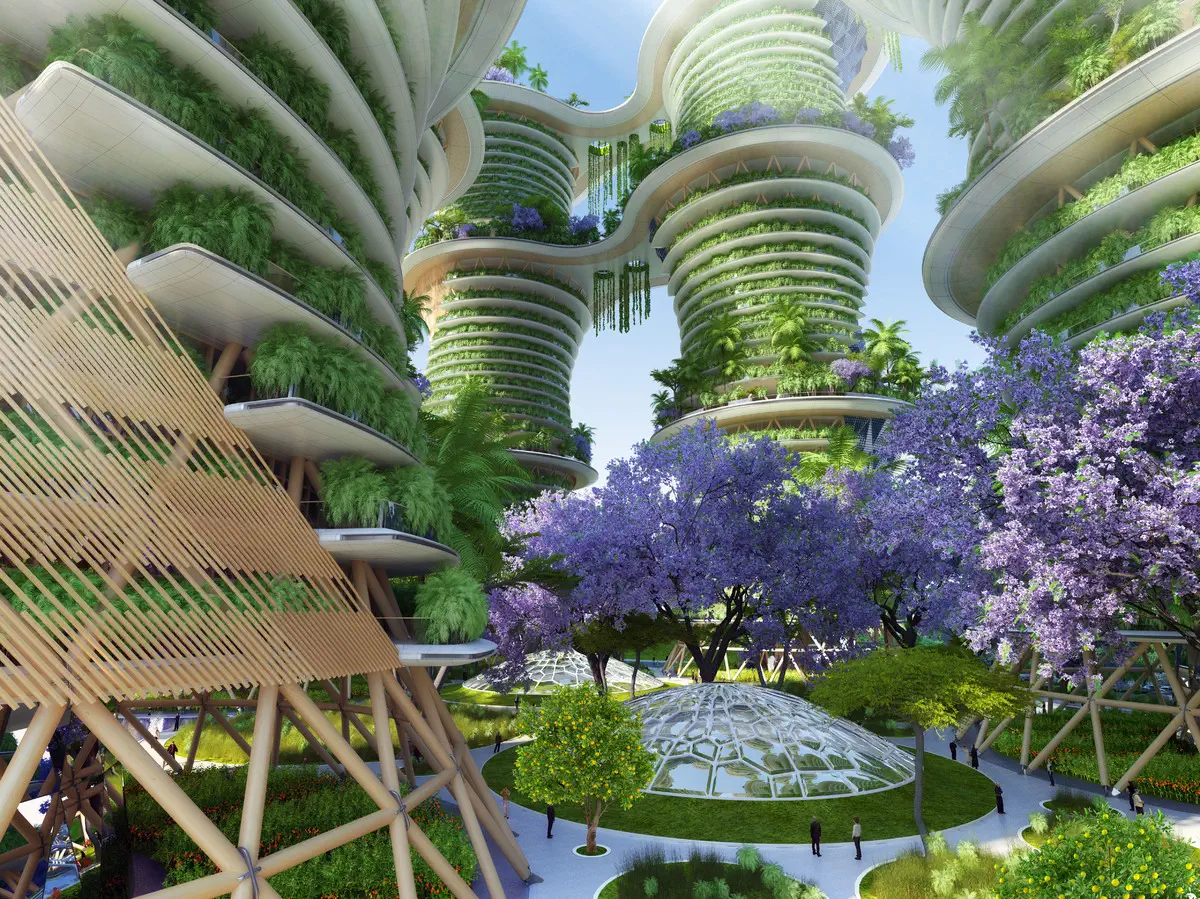
The eco-architect aims to develop a one-of-a-kind urban development scheme comprising six giant tree-towers, dubbed Hyperion.
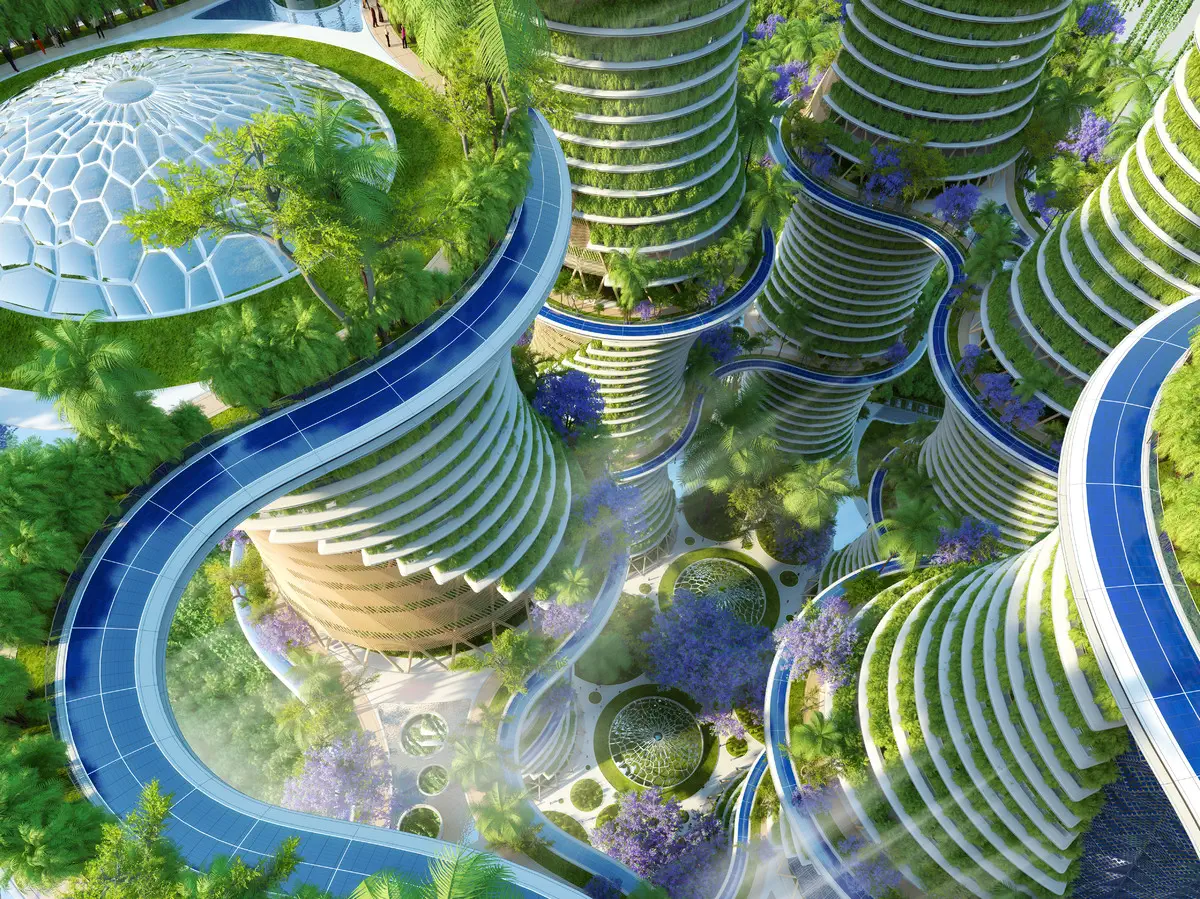
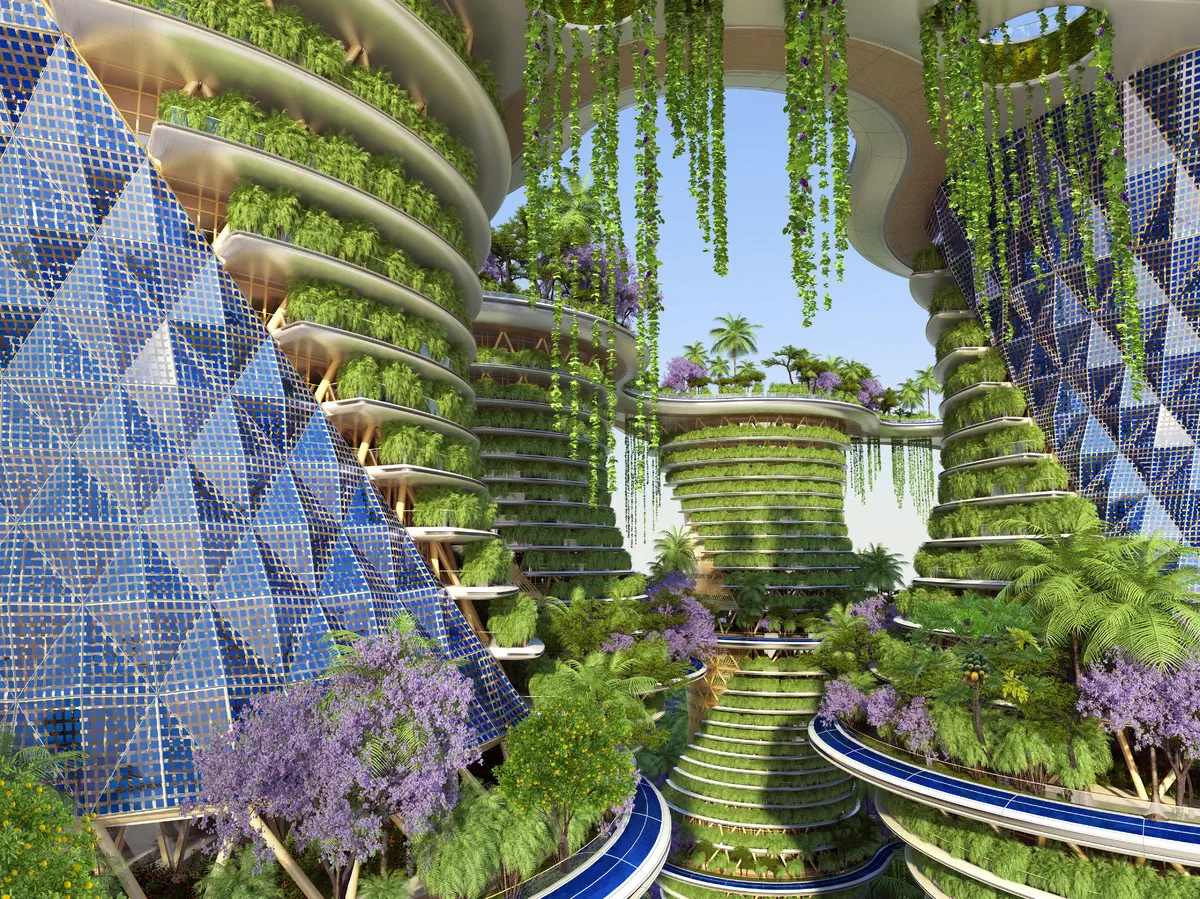
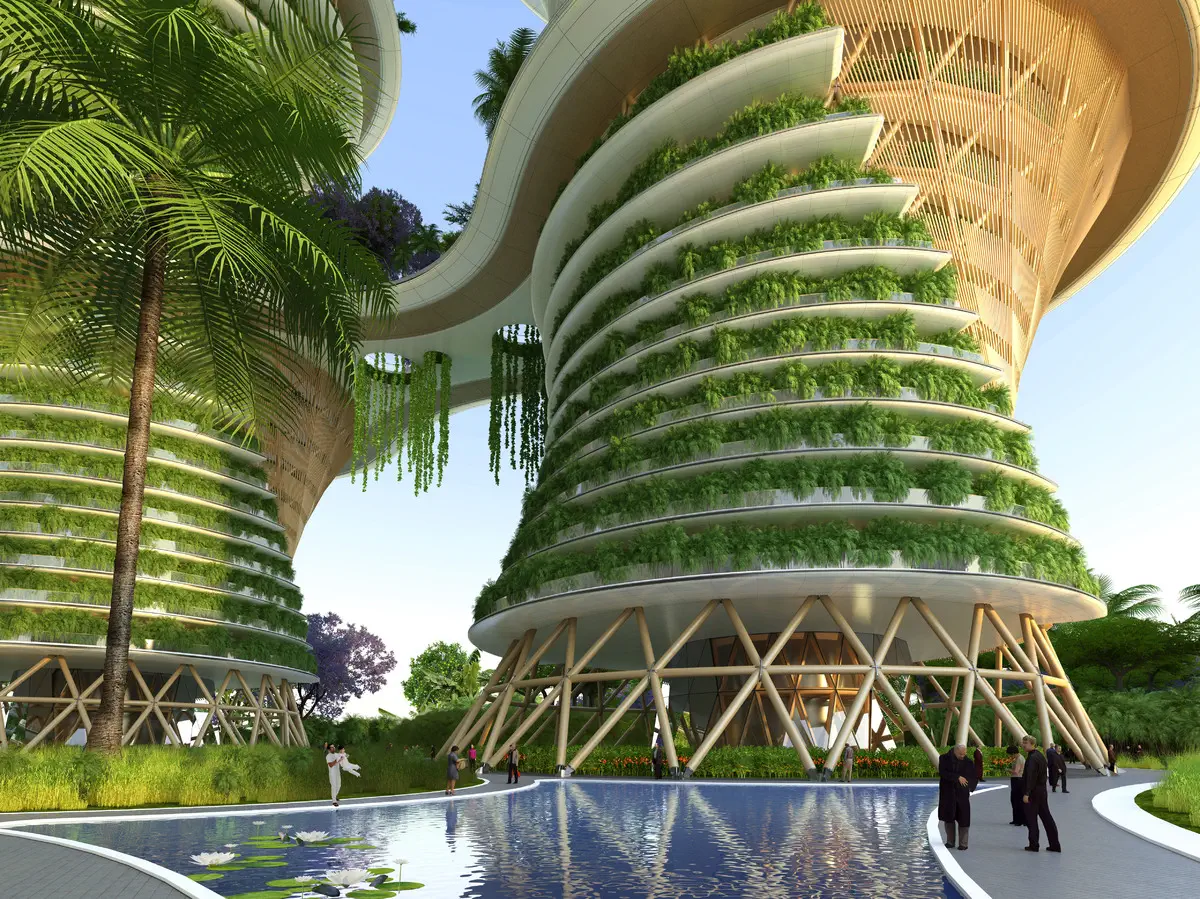
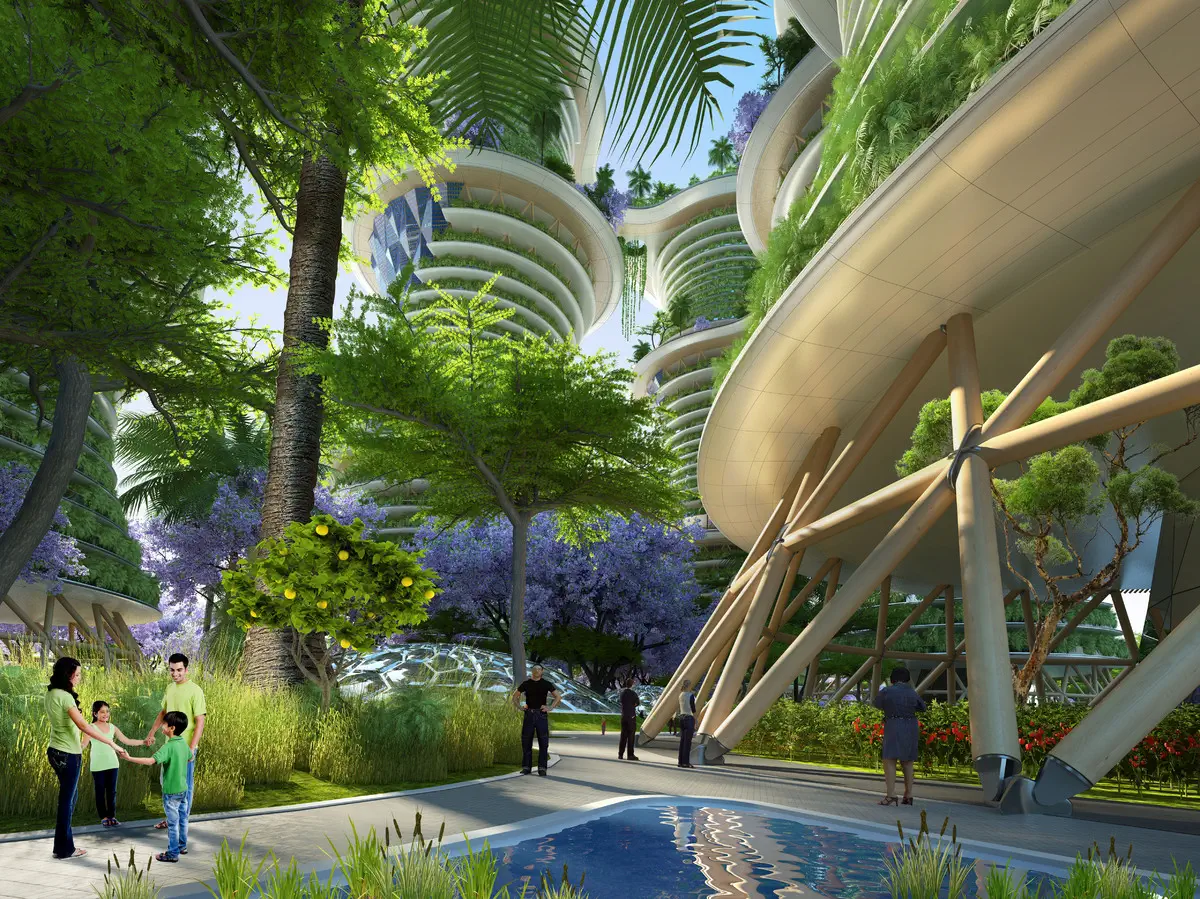
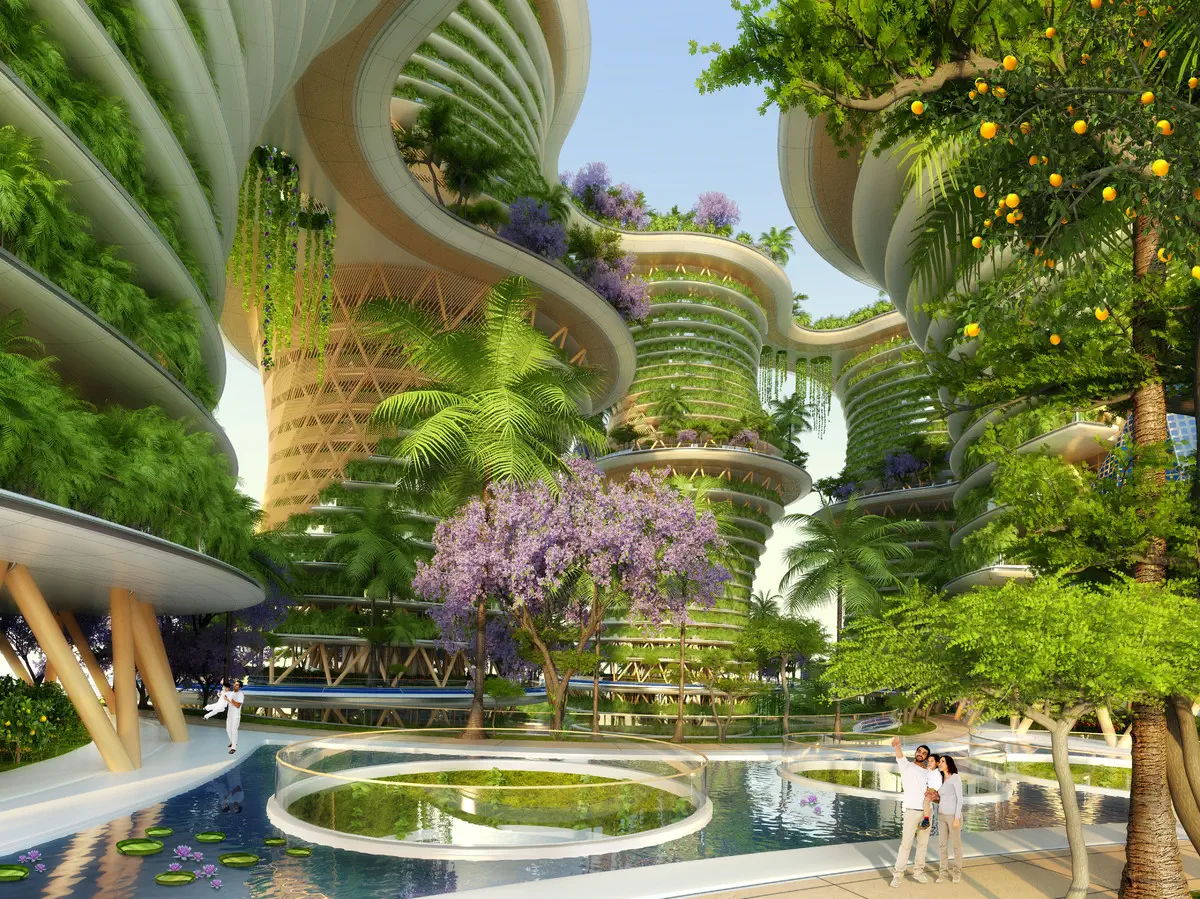
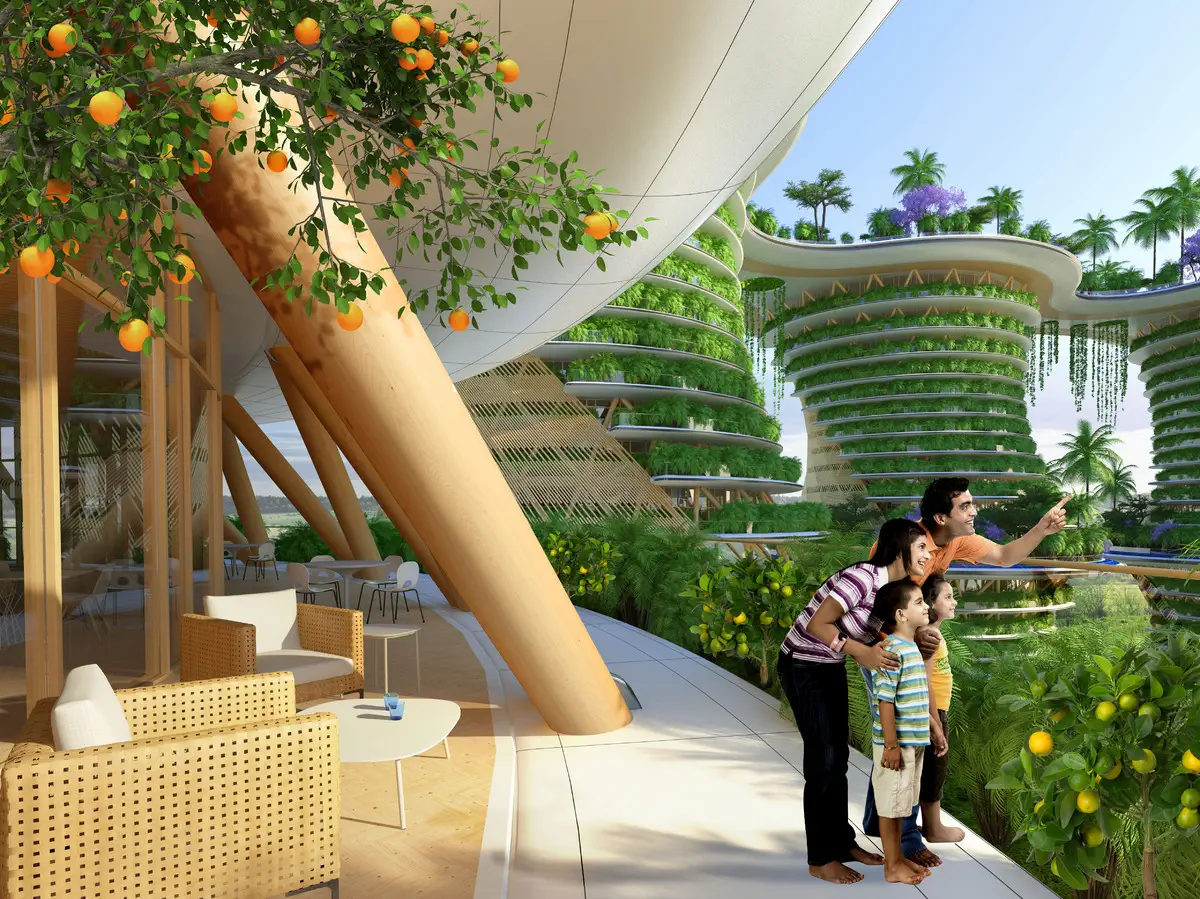
Still in the development phase, the complex could be completed by 2020 in the new town of Jaypee Sports City, India, close to New Delhi. This vertical eco-neighbourhood produces more energy than it consumes. Each building comprises 36 storeys and is distinctive in that it is covered, from the base of the building right up to the roof, with vegetation, fruit trees, medicinal plants and agricultural spaces.
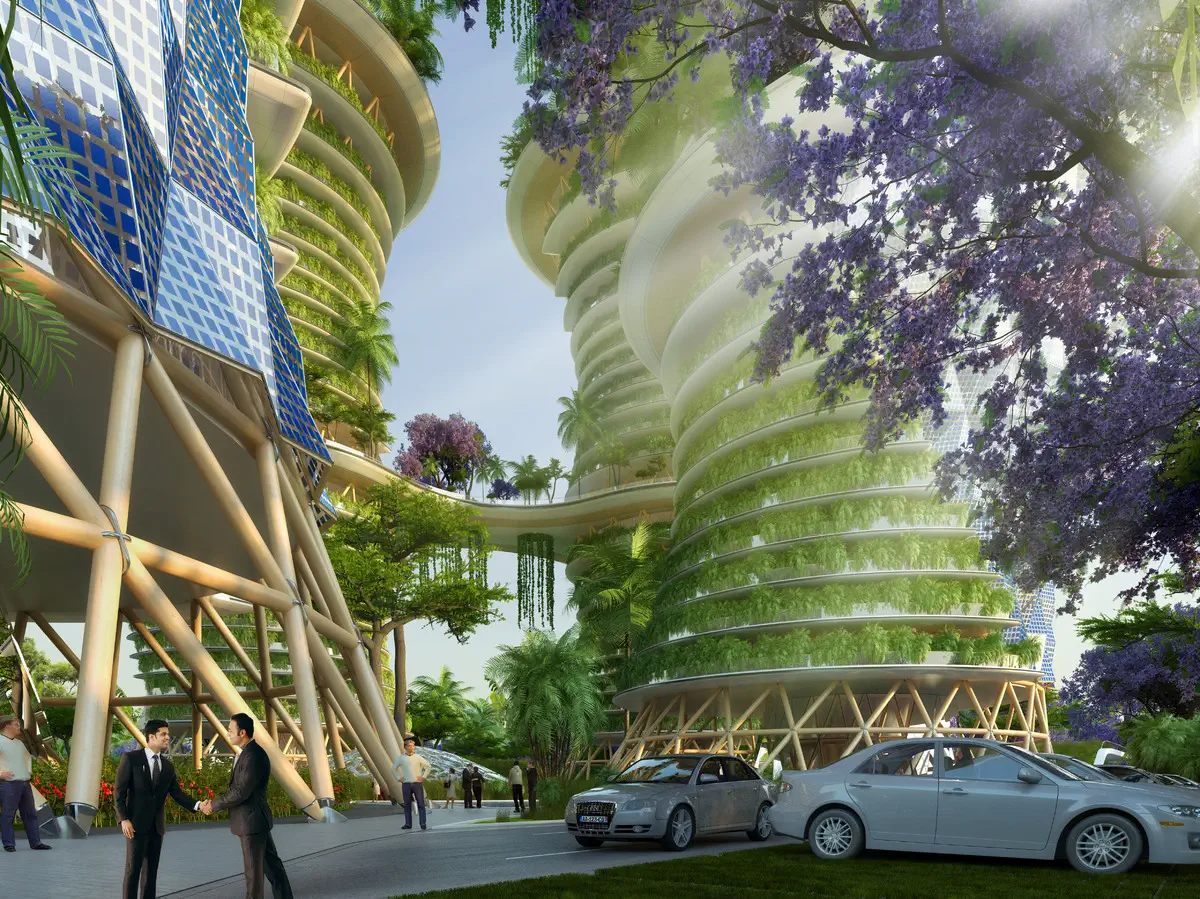
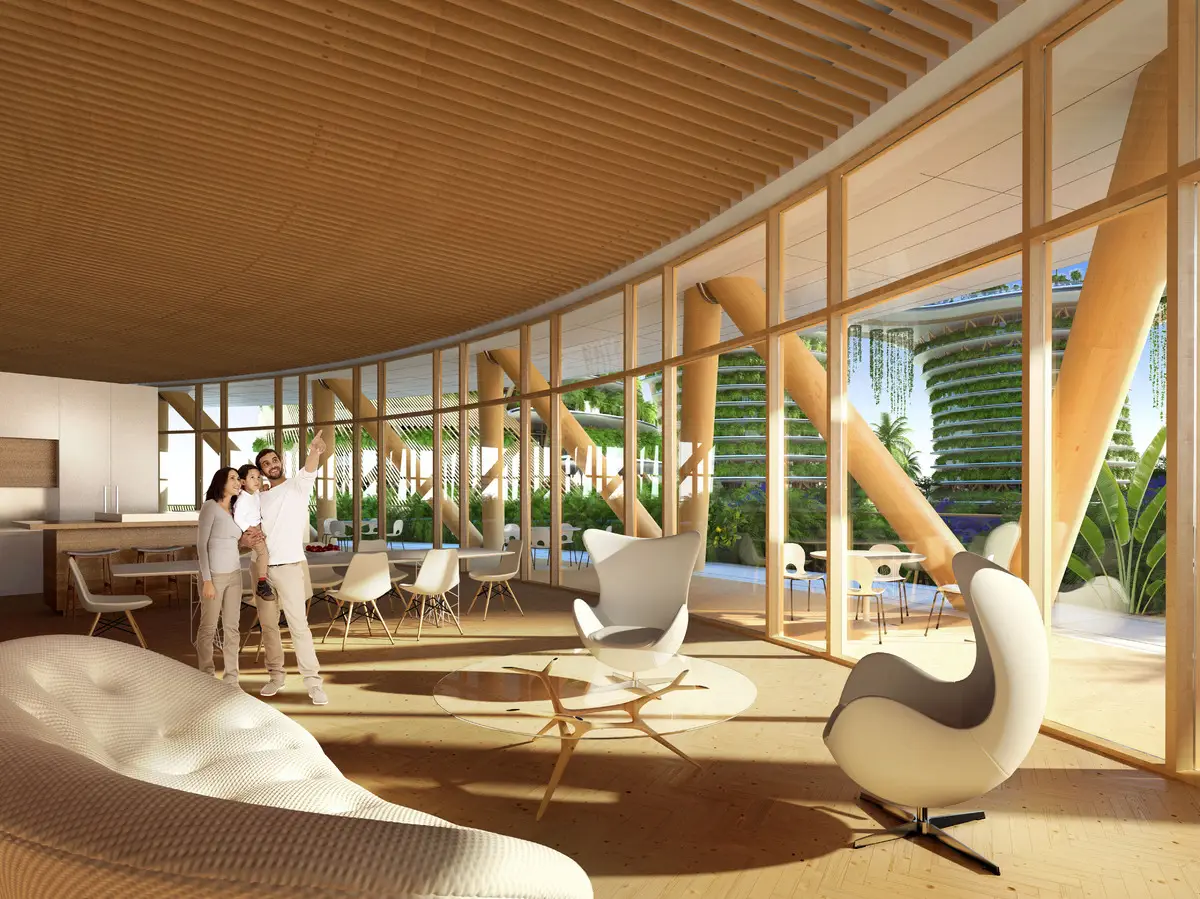
Like a proper 21st-century village, Hyperion combines housing, student accommodation, offices and leisure facilities. The construction is made up of 25% inert materials (steel and concrete for the foundations) and 75% bio-based materials (specifically cross-laminated timber, CLT). (Click to enlarge). For Vincent Callebaut, this project aims to demonstrate our ability not merely to build, but to cultivate the buildings we create. Solar energy is the main power source for the six towers. Bluish photovoltaic and thermal scales cover the facades of the buildings, tracking the sun’s path.
The region, known for its heatwaves, provides a significant source of energy to power all the innovations within the various buildings. 128 metres, 1,000 homes, 20 kilos of fruit and vegetables Vincent Callebaut’s goal is ambitious. These 128-metre-tall market-garden buildings are, according to him, capable of producing 20 kilos of organic fruit and vegetables per square metre. Given that the housing facilities alone cover 119,582 m², one can surmise that the architect is laying the foundations for a self-sufficient micro-society. Colleagues, as well as farmers and agricultural engineers, have been involved in the development of Hyperion and its 1,000 green homes.
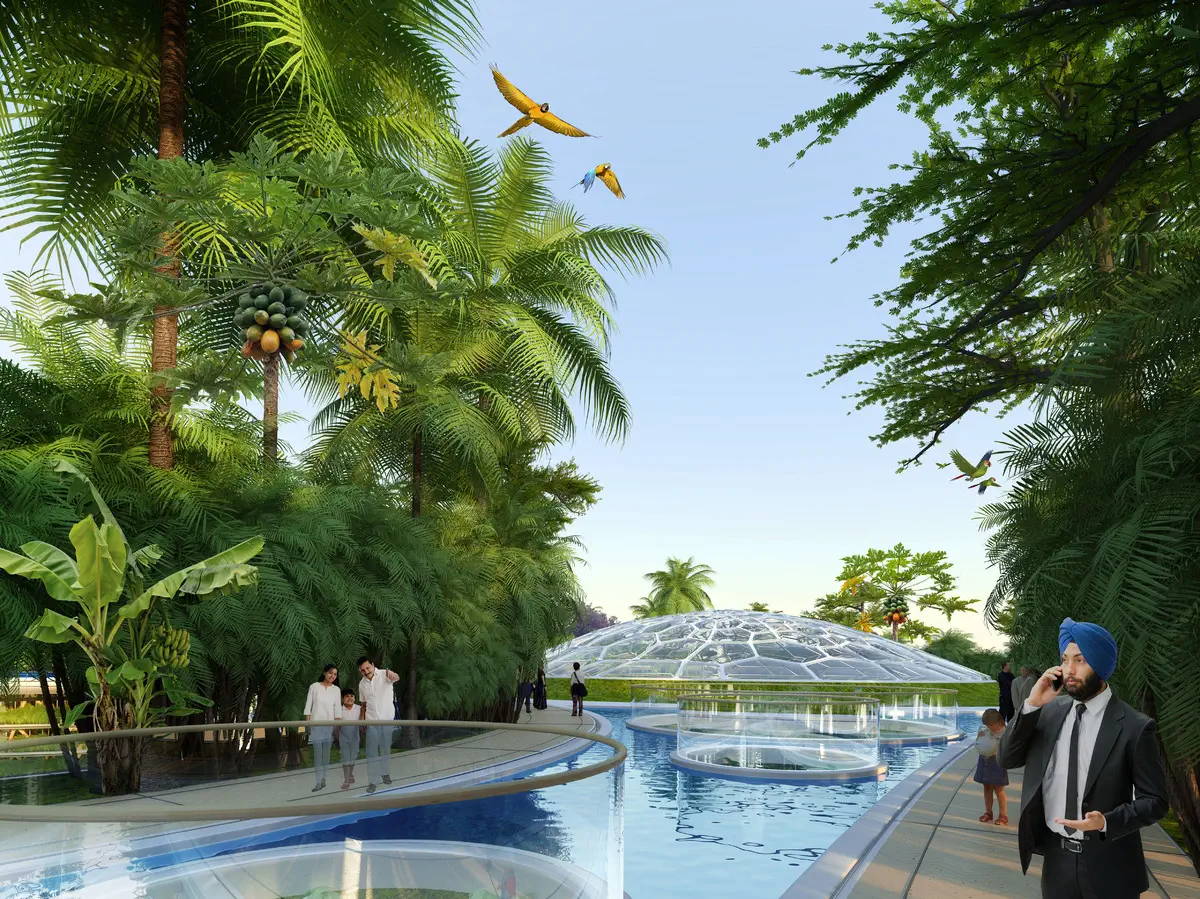
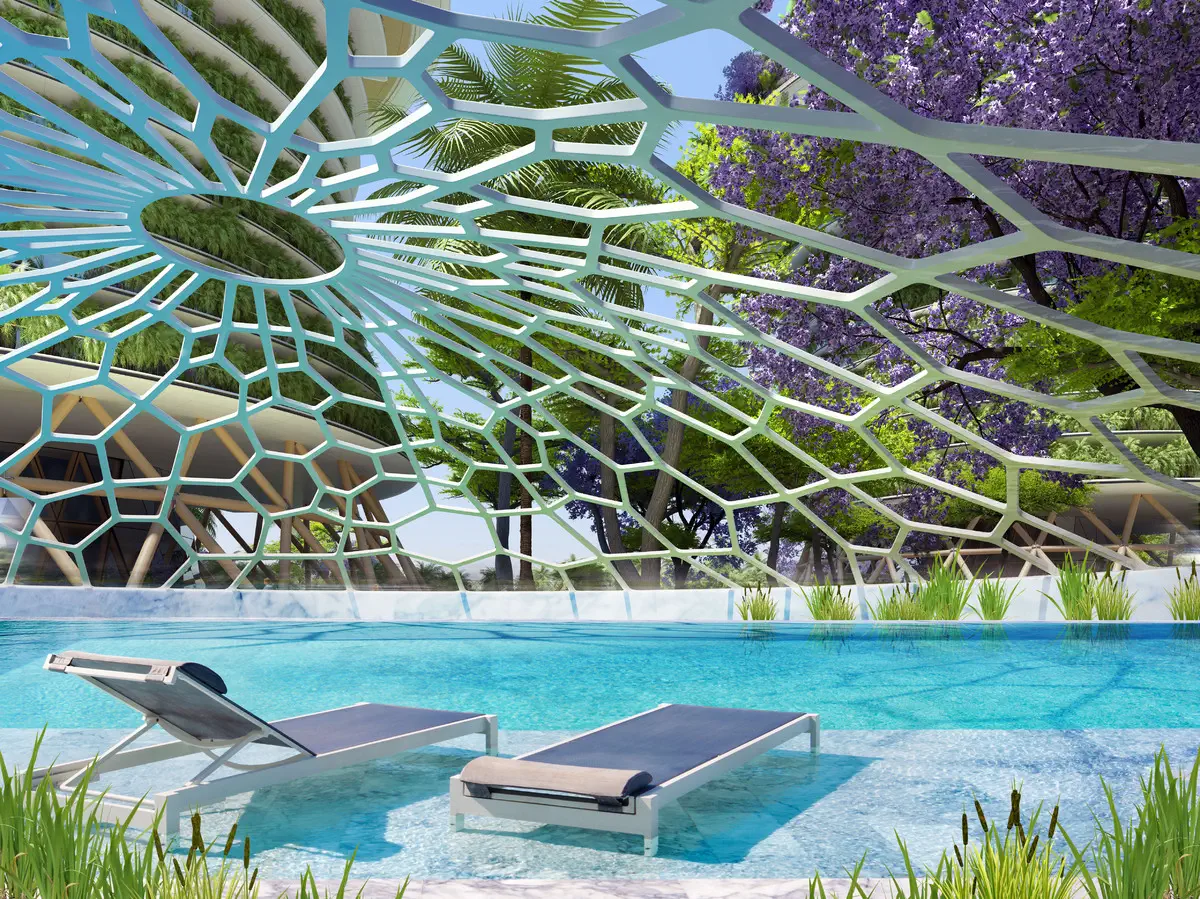
In an interview with the online news site World Architecture Community, agroecologist Alman Kusum, a partner in the project, stated that this scheme aims for “energy decentralisation” as well as “food deindustrialisation”. A large rooftop orchard will serve as a meeting place for residents and workers, featuring a gym, a natural swimming pool and a children’s play area. The walkways on this level will allow people to move from one building to another. In its appearance, Hyperion is reminiscent of the great African termite mounds. This is because the architect has drawn inspiration from the ventilation system developed by the tiny insect, adapting it to a larger scale to ensure comfort for as many people as possible at a lower cost.
All that remains now is to secure the considerable number of permits required for such a project, as well as the funding to ensure that Hyperion becomes the most ambitious eco-neighbourhood ever built.
In the meantime, we can always dream through the images.
NB: Hyperion is one of the Greek Titans, associated with the Sun. It is also the tallest tree in the world, a giant sequoia standing 115 metres tall
Sources: