Français
  English
 "GREEN ARCHITECTURE" IN CHINA – LIUZHOU FOREST CITY
The Forest City project, first unveiled at the COP 21 international conference in Paris in 2015, stems from the broader theme of urban forestry, which has always been at the heart of architect Stefano Boeri’s research.
The way cities are designed today is doomed to disappear; it is too inhumane, too stressful, too polluting and, above all, completely unsuited to the modern way of life of tomorrow… or even today, for that matter…
Urbanisation must work with nature and people, not against them!!
The urban integration of lush greenery, total energy self-sufficiency from 100% renewable sources, TRULY efficient and practical public transport, and electric private vehicles is essential.
People aspire to live well and healthily in a pleasant environment, not under constant and mounting pressures that affect their morale and health.Once again, Asia is showing us the way by harnessing the great talents of a visionary and committed architect.
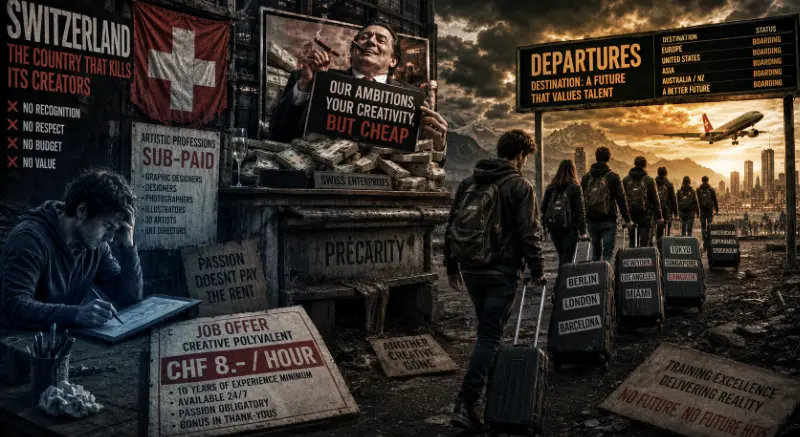
When will we see a “Forest City” in Switzerland???
No... I was joking... LOL
Alain Farrugia
The development of urban and architectural models for environmental regeneration, soil demineralisation and increased biodiversity has led to the design of a new-generation city, capable of becoming a model of sustainable growth on a global scale, starting in China. In fact, China is the country with the highest rate of urbanisation in the world, with 14 million people migrating to cities every year.
Since 2015, Stefano Boeri Architetti has been involved in the study and design of Forest City prototypes in various regions of China, from the north – where Shijiazhuang is located – to the south, where Lishui is situated.
In 2017, the masterplan for the Liuzhou Forest City and the urban regulations to combat air pollution were approved by the Liuzhou Municipal Planning Department.
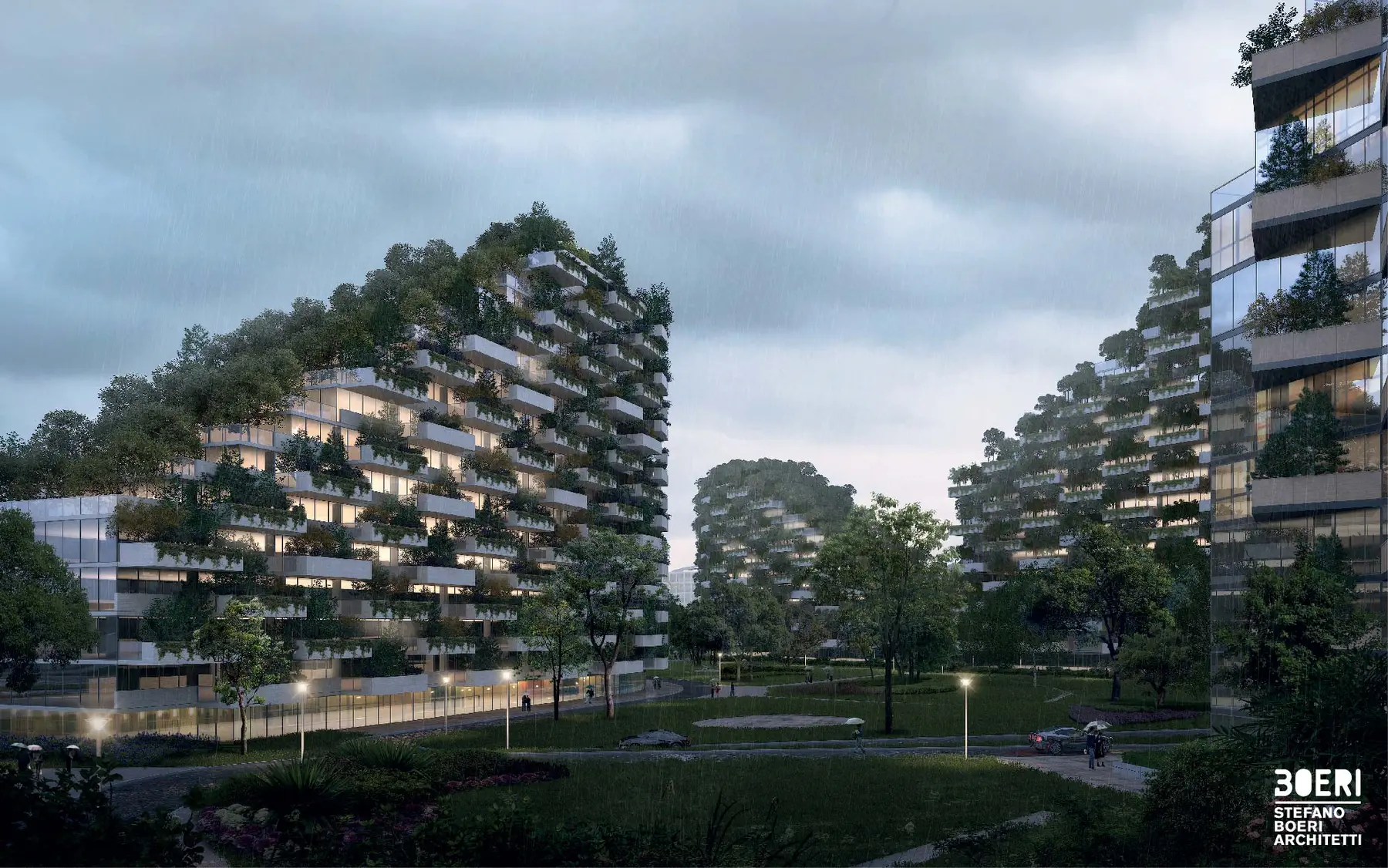
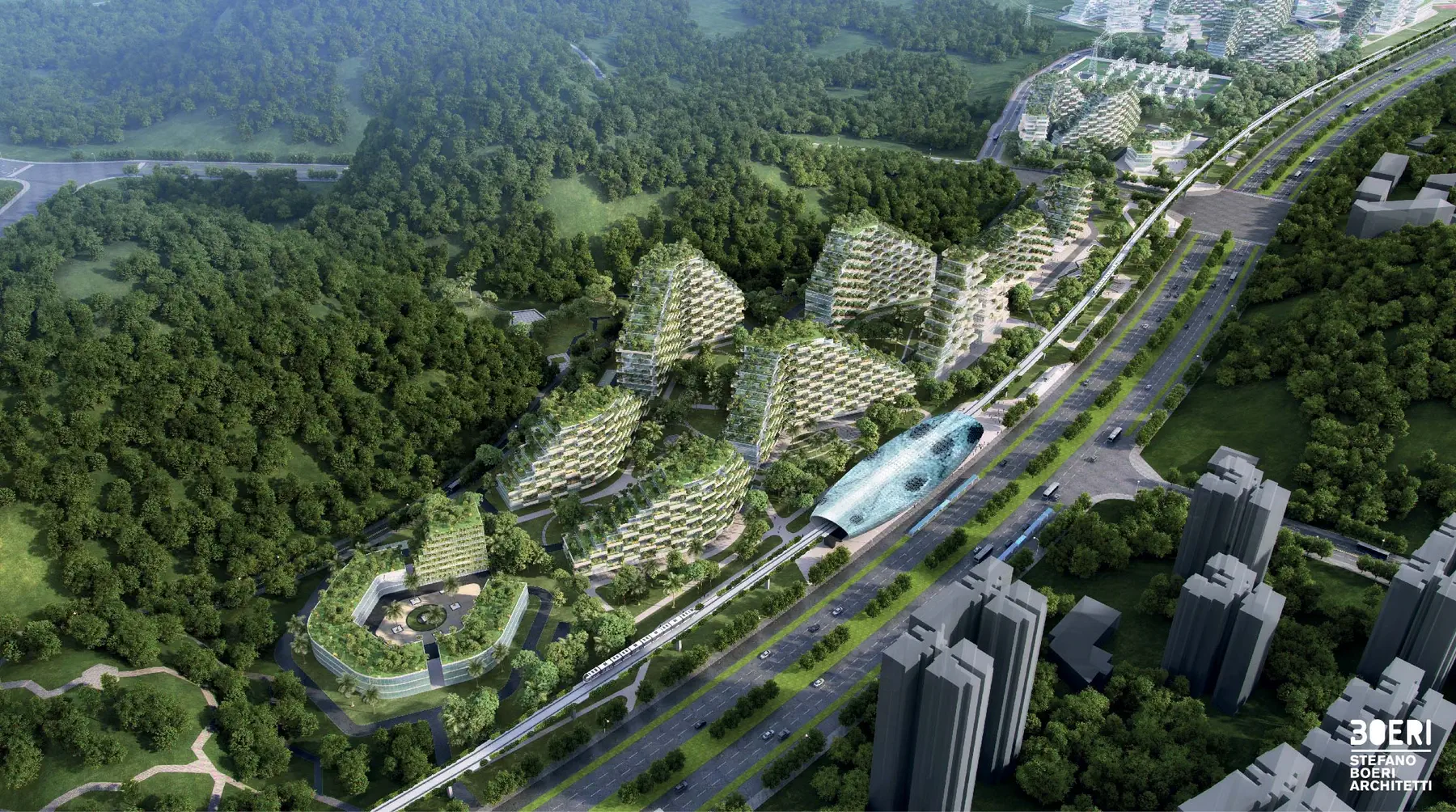
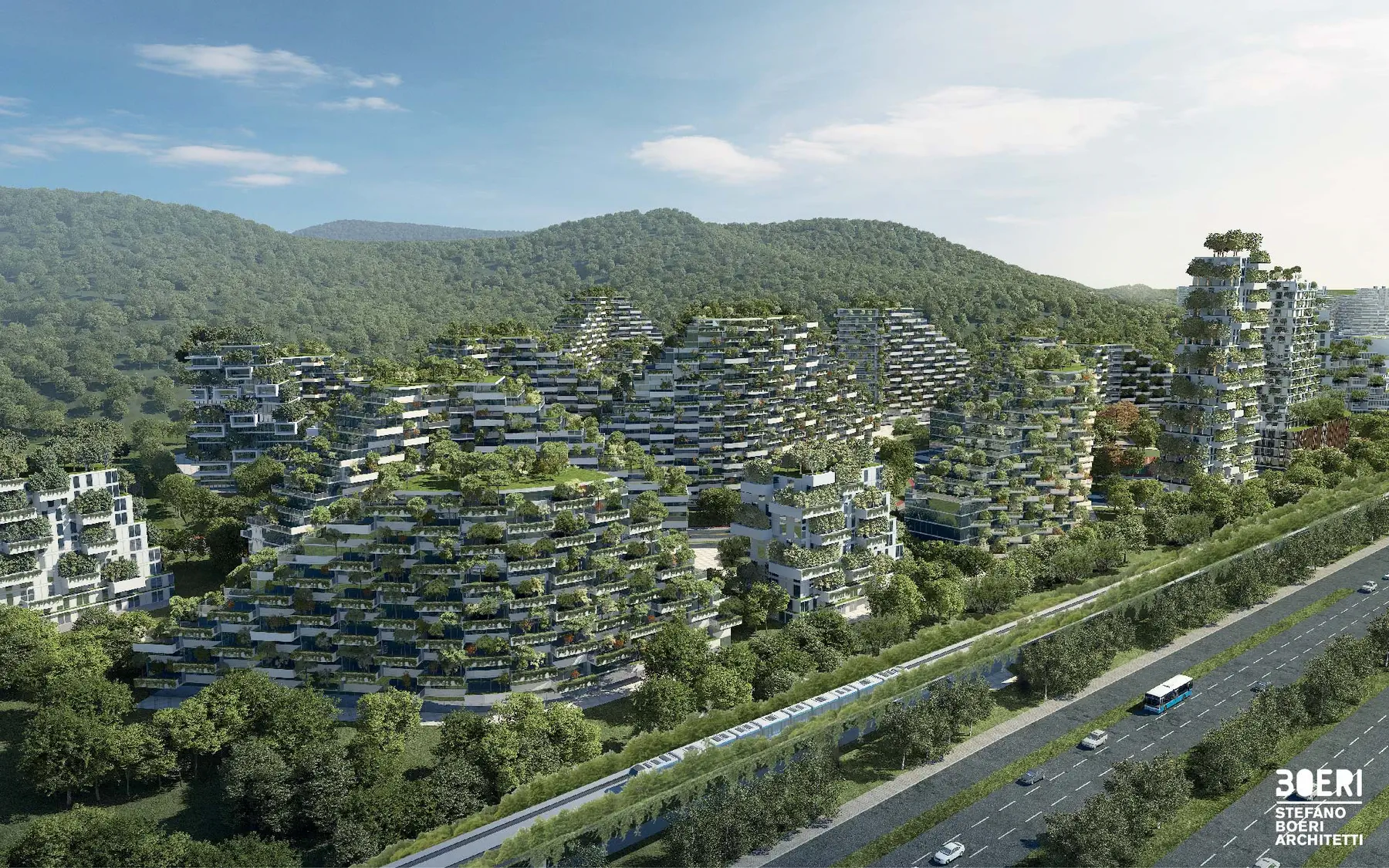
Stefano Boeri Architetti’s first Chinese Forest City features offices, homes, hotels, hospitals and schools entirely covered in plants and trees.
30,000 residents across 175 hectares
Once completed, the new city will be home to 30,000 people, absorb nearly 10,000 tonnes of CO2 and 57 tonnes of pollutants per year, and produce around 900 tonnes of oxygen.
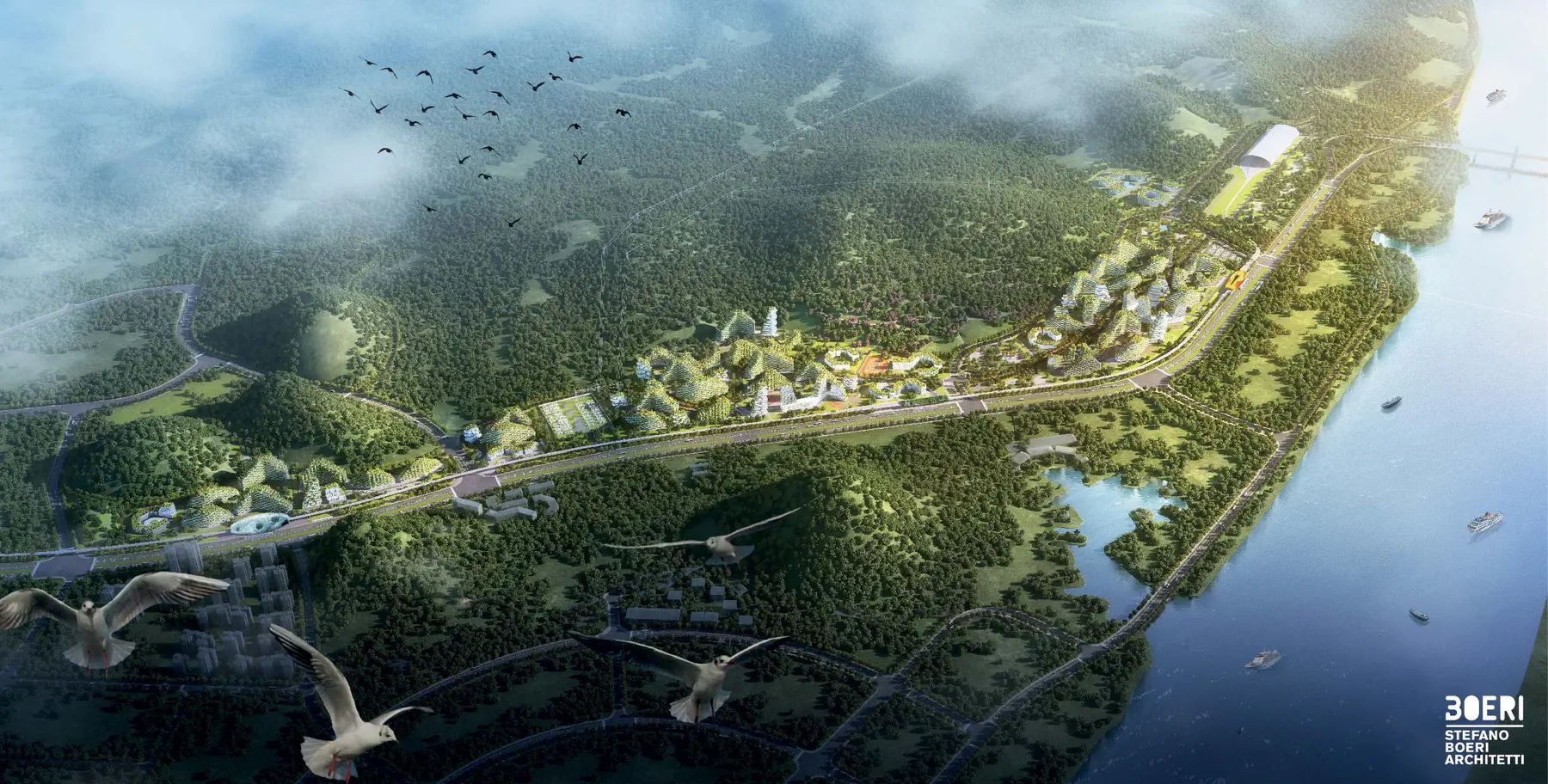
The Liuzhou Forest City will be built north of Liuzhou, in the mountainous region of Guangxi in southern China; in an area covering 175 hectares along the Liujiang River.
The new, fully connected green city will be linked to Liuzhou by a high-speed rail line used by electric trains and will feature various residential areas, commercial and recreational spaces, two schools and a hospital.
The Liuzhou Forest City will have all the characteristics of an energy-self-sufficient urban settlement: geothermal energy for indoor air conditioning and solar panels on rooftops to collect renewable energy.
40,000 trees, 1,000,000 plants, over 100 species
The major innovation of Stefano Boeri Architetti’s project is the presence of plants and trees on all buildings, of all sizes and functions.
The forest city of Liuzhou will be home to a total of 40,000 trees and nearly a million plants of over 100 species.
The distribution of plants, not only in parks and gardens or along the streets, but also on the façades of buildings, will enable the energy-self-sufficient city to help improve air quality (by absorbing both CO₂ and 57 tonnes of fine particulate matter), lower the average air temperature, create noise barriers and enhance biodiversity by providing a habitat for the birds, insects and small animals that inhabit the Liuzhou area.
A world first
For the first time in China and worldwide, an innovative urban regulation will combine the challenge of energy self-sufficiency and the use of renewable energy with the challenge of increasing biodiversity and effectively reducing air pollution in urban areas – a critical issue for China today – through the expansion of urban green and organic spaces.
Following the success of the Vertical Forest in Milan – which is set to be replicated in many parts of the world and in China in Nanjing, Shanghai and Shenzhen – with the Liuzhou Forest City project, Stefano Boeri Architetti continues its research into a new generation of architecture and urban environments addressing climate change, proposing new models for the future of our planet.
Interview with architect Stefano Boeri on the Liuzhou Forest City project

Article description: Stefano Boeri Architetti